How to Enhance Live Sound in Australia with Expert Audio Techniques

Assessing Venue Acoustics
Effective audio engineering begins with a critical assessment of the venue's acoustics. Picture preparing for an event at iconic locations like the Sydney Opera House, known for its impeccable sound design. Such spaces are a blueprint for what an ideal acoustic setup entails, and understanding their design helps you identify challenges in less optimal venues. It's essential to consider how architecture, materials, and other variables can affect sound projection and absorption.
Identifying Common Issues
Many venues struggle with specific acoustic issues like echoes, feedback, and uneven sound distribution. These problems can impede the clarity of performances, making it challenging for the audience to appreciate the nuances of the music. Knowing these common hurdles helps in crafting more effective sound strategies.
Evaluating Acoustic Features
Evaluating a space involves understanding both the structural and design aspects. Hard surfaces tend to reflect sound, while softer materials absorb it. This examination allows you to position audio equipment like microphones and speakers strategically while addressing variables unique to each location.
Implementing Quick Fixes
Simple solutions often make significant differences in audio performance. Introducing items like a motorised projector screen could not only serve a visual purpose but also help break sound reflections, enhancing the auditory experience. Temporary fixes such as using mesh radios can assist in managing wireless audio transmissions without interference.
Mastering these approaches can elevate the acoustic quality of any venue, ensuring each note resonates with precision and clarity. Once these foundational aspects are managed, you can proceed with selecting the right audio gear that aligns with your sonic objectives.
Selecting the Right Equipment
Microphones for Live Sound
As a sound engineer, choosing the right professional microphone is pivotal for ensuring exceptional live sound quality. The right microphone can adapt to the acoustics of venues such as The Enmore Theater and the Sydney Opera House, capturing the richness of performances without distortion. When selecting microphones, consider dynamic microphones for their durability and capability to handle loud sound pressure levels—ideal for rock concerts. Condenser microphones, on the other hand, are excellent for capturing the nuanced details in acoustic or classical performances.
Importance of Mixing Consoles
Mixing consoles play a crucial role in the live sound setup, acting as the heart of the audio system. They allow you to balance audio inputs, apply effects, and adjust levels seamlessly, a skill honed in well-equipped Surry Hills recording studios. Choose a console that offers flexible routing, intuitive control interfaces, and ample channels to accommodate various instruments and vocals on stage.
Monitors and Speakers
The type and arrangement of monitors and speakers make a profound difference in live sound experiences. For instance, positioning your stage monitors ensures performers accurately hear themselves, which keeps them in sync with the audio being produced. Opt for high-quality speakers that can fill large venues with consistent sound coverage. Additionally, incorporating reliable av cables ensures that the transmission of audio signals remains clear and uninterrupted. These components are integral in crafting unforgettable live performances by providing the soundscape that resonates with every member of the audience.
Optimizing Sound Check Processes
Effective Stage Layouts
When you're engrossed in crafting a memorable auditory experience, the stage layout can be as crucial as the equipment itself. A well-thought-out stage design is fundamental for achieving optimal sound clarity and performer comfort. I often draw inspiration from venues like The Enmore Theater, renowned for its balanced acoustics and rich musical heritage. When setting up, consider utilizing an induction loop system for clearer communication among performers and technicians, particularly in technically challenging spaces. Placing speakers and monitors strategically can minimize feedback while ensuring the audience enjoys a full sound spectrum.
Setting Up for Success
A seamless sound check starts with meticulous planning. Before performers even arrive, ensure all instruments and microphones, such as those leading in home entertainment setups, are correctly positioned and functionally paired. A structured checklist can be invaluable, allowing you to adjust volume levels, EQ settings, and monitor mixes efficiently. This preparation is crucial for accommodating the expressive dynamics often found in live performances at venues like the Sydney Opera House.
Communicating with Performers
Effective communication with performers is not just about conveying technical details; it involves understanding their artistic needs and adapting setups accordingly. Share real-time updates during sound checks through clear and concise cues, fostering an environment of trust and collaboration. This approach ensures each performer feels heard and supported, enabling them to deliver their best sound quality, reminiscent of intimate performances in Surry Hills recording studios.
Advanced Audio Techniques
Using Equalizers and Filters
During live performances, understanding and applying equalizers can transform sound quality, enhancing the audience's experience. The right EQ settings help balance frequencies, ensuring clarity and punch for every instrument. Begin by identifying troublesome frequencies using a graphic or parametric equalizer, and adjust them to reduce muddiness or harshness. This practice is common in venues like the Enmore Theater, elevating audio performance.
Low-cut filters are essential for eliminating rumbling noises that can be problematic in bass-heavy environments. By adjusting these filters, you can focus on higher frequencies that deliver crisp and articulate sound. Combining EQ and low-cut filters can effectively control room acoustics, creating a balanced audio profile without overpowering the space.
Managing Feedback Effectively
Feedback can disrupt any live event, but mastering feedback management can save the day. Consider using paging systems for clear communication during live shows, ensuring quick adjustments without unnecessary noise. These systems allow you to address feedback issues discreetly, maintaining professionalism and audience immersion.
Positioning microphones strategically can also limit feedback, especially in compact venues. Avoid placing microphones directly in front of speakers, and use directional mics to capture sound accurately while reducing unwanted noise. With practice, these techniques become second nature, enabling seamless performances.
Enhancing Sound with Effects
Integrating audio effects like reverb and delay adds depth and dimension to live performances. For high-stakes events in large venues, such as the Sydney Opera House, effects can enhance acoustic richness, creating a surround sound atmosphere. This is where data projectors might come into play, enriching the visual experience and complementing the auditory elements.
Experimenting with effects during rehearsals allows sound artists to tailor audio experiences. Subtle reverb can make a vocal performance soar, while delay can thicken guitar solos. Ensuring that effects align with the mood of the performance is key to mesmerizing audiences and elevating live sound to an art form.
Overcoming Common Challenges
Troubleshooting On-Stage Issues
Navigating the complexities of live sound requires a hands-on approach, particularly during a sold-out gig at the likes of the Enmore Theater. When tuning into raw performances, there are times when a mic refuses to play nice or feedback turns from slight nuance to front-row annoyance. The key is to swiftly employ strategies such as repositioning microphones to diminish unwanted feedback and using sound gates to mute channels that aren’t in use. It's like conducting your own symphony between cables and signals. It's a balance of technical brilliance and creativity that comes alive akin to the sounds echoing through Surry Hills recording studios.
Adapting to Acoustical Changes
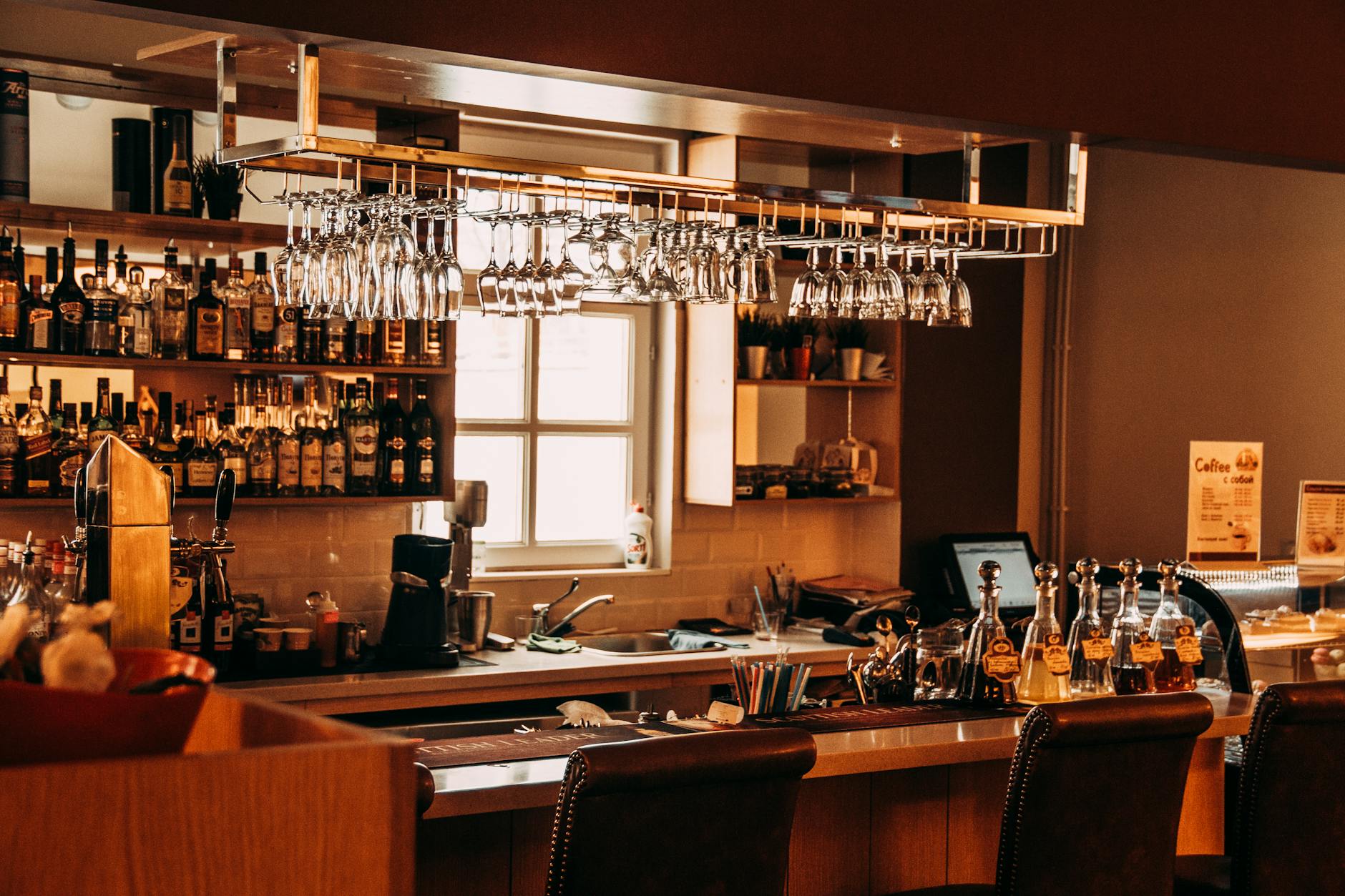
Whether you're nestled away in a corner bar or setting up in the grandeur of the Sydney Opera House, adapting to acoustical shifts is crucial. Seasonal moisture levels can tweak the sound's warmth or sharpness. I recommend carrying an adaptable array of mixing equipment, like graphic equalizers to dynamically respond to alterations in room acoustics. This is your brushstroke to craft an audio masterpiece despite shifting acoustics—think of it as providing a custom-tailored suit of sound that wraps around the space comfortably.
Maintaining Equipment Reliability
Equipment might seem inanimate, yet it demands care likened to a classic instrument itself. Regularly cleaning connectors and cables will preserve sonic integrity. Use reliable studio monitors to simulate on-stage sound and preemptively check for latency issues. It's a good practice to catalogue equipment service schedules to ensure gear performs at its zenith when the crowd is craving an epic crescendo. They say the devil's in the details, and in the realm of audio artistry, that perfection reverberates through each impeccably timed note.